
SAP BASIS Modules: Core Components and Integration Explained
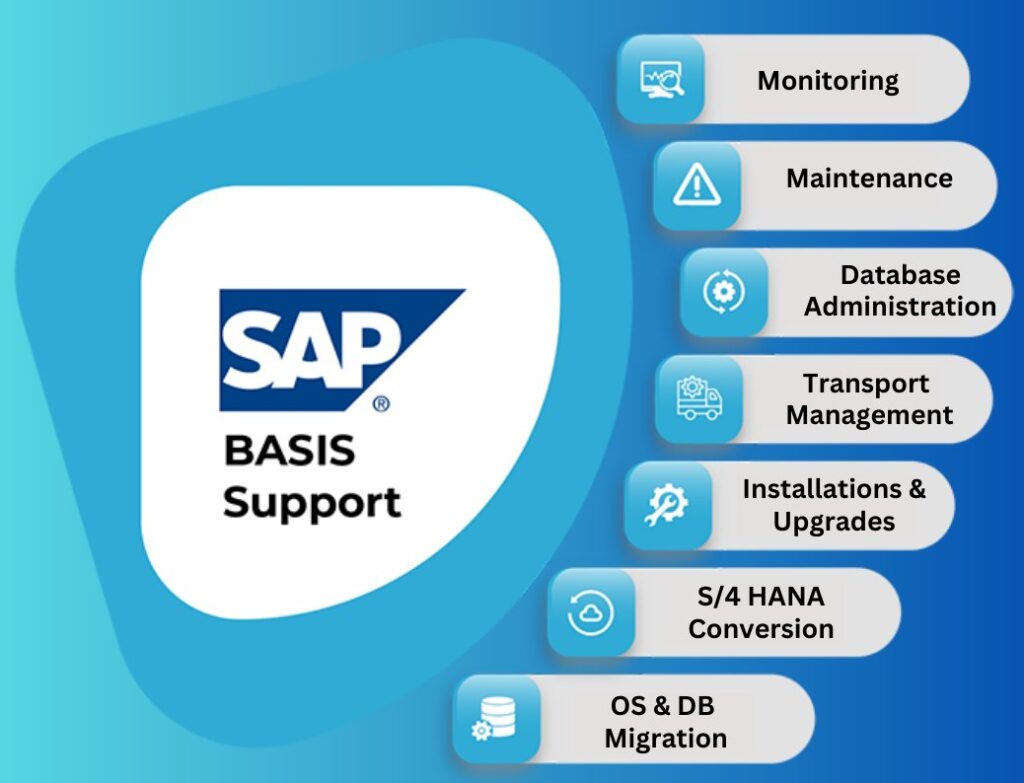
What Is SAP BASIS and Why It Matters SAP BASIS manages the technical administration and infrastructure of SAP systems. It ensures smooth system performance, security, and database management. Core Components of SAP BASIS System Installation User Management Transport Management Performance Monitoring Backup & Recovery Integration with Other Modules SAP BASIS supports: All SAP functional modules SAP HANA database SAP NetWeaver platform Business Benefits Stable SAP environment Improved system security Better performance optimization Reduced downtime Conclusion SAP BASIS ensures the smooth functioning and technical stability of the entire SAP system landscape.
SAP BPC Modules: Core Components and Integration Explained

What Is SAP BPC and Why It Matters SAP BPC (Business Planning & Consolidation) supports financial planning, budgeting, and consolidation processes. It helps organizations improve financial forecasting and reporting accuracy. Core Components of SAP BPC Budget Planning Financial Consolidation Forecasting Financial Reporting Data Validation Integration with Other Modules SAP BPC integrates with: SAP FICO SAP BI SAP HANA Business Benefits Accurate financial planning Improved budgeting control Faster financial consolidation Better strategic forecasting Conclusion SAP BPC helps organizations manage financial planning and consolidation efficiently. FAQs Q1. What is SAP BPC?It is used for budgeting, planning, and financial consolidation.
SAP HANA Modules: Core Components and Integration Explained

What Is SAP HANA and Why It Matters SAP HANA is an in-memory database platform that processes large volumes of data at high speed. It allows real-time analytics and faster system performance. Core Components of SAP HANA In-Memory Database Data Modeling Real-Time Analytics Application Development Data Integration Integration with Other Modules SAP HANA integrates with: SAP BI SAP ERP SAP S/4HANA Cloud applications Business Benefits High-speed data processing Real-time reporting Improved system performance Scalable architecture Conclusion SAP HANA enhances system efficiency and supports real-time business intelligence. FAQs Q1. What is SAP HANA?It is an in-memory database platform for high-speed data processing.
SAP BI Modules: Core Components and Integration Explained
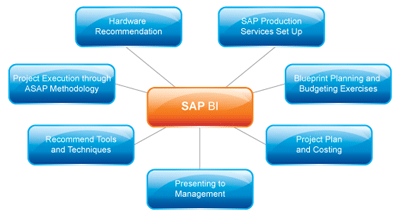
What Is SAP BI and Why It Matters SAP Business Intelligence (Business Intelligence) provides reporting and analytics capabilities within SAP systems. Organizations rely on data-driven decisions. SAP BI helps transform raw data into meaningful insights. Core Components of SAP BI Data Warehousing Reporting Tools Dashboards Data Extraction & Transformation Analytics Processing Integration with Other Modules SAP BI integrates with: SAP SD SAP MM SAP FICO SAP HANA Business Benefits Improved decision-making Real-time analytics Accurate business reporting Performance monitoring Conclusion SAP BI enables organizations to leverage business data effectively for strategic growth. FAQs Q1. What is SAP BI?It is a reporting and analytics tool within SAP systems.
SAP NetWeaver Modules: Core Components and Integration Explained

What Is SAP NetWeaver and Why It Matters SAP NetWeaver is a technology platform that supports the development, integration, and management of SAP applications. It acts as the foundation for SAP systems and enables communication, development, and data management. Core Components of SAP NetWeaver Application Server SAP Portal Master Data Management Process Integration Business Warehouse Integration with Other Modules SAP NetWeaver supports: All SAP ERP modules SAP BI and SAP HANA External systems integration Business Benefits Unified technical platform Improved system performance Better data management Secure application environment Conclusion SAP NetWeaver serves as the technical backbone of SAP landscapes, enabling smooth application management and integration. FAQs Q1. What is SAP NetWeaver?It is a technology platform for SAP applications.
SAP PI Modules: Core Components and Integration Explained

What Is SAP PI and Why It Matters SAP Process Integration (Process Integration) is a middleware platform that enables communication between SAP and non-SAP systems. Modern businesses use multiple software systems. SAP PI ensures seamless data exchange between these systems in real time. Core Components of SAP PI Integration Repository Integration Directory Message Mapping Adapter Engine Monitoring Tools Integration with Other Modules SAP PI integrates with: SAP ERP modules Third-party applications Cloud systems and legacy systems Business Benefits Seamless system connectivity Real-time data exchange Reduced manual data entry Improved process automation Centralized monitoring Conclusion SAP PI enables smooth integration between different systems, ensuring accurate and consistent data flow across the organization. FAQs Q1. What is SAP PI?It is a middleware tool used for system integration. Q2. Can SAP PI connect non-SAP systems?Yes, it supports integration with both SAP and non-SAP systems.
SAP ABAP Modules: Core Components and Integration Explained

What Is SAP ABAP and Why It Matters SAP ABAP (Advanced Business Application Programming) is the primary programming language used to develop applications within SAP systems. SAP ABAP allows developers to customize reports, interfaces, forms, enhancements, and workflows according to business requirements. It plays a critical role in extending SAP functionalities beyond standard features. Core Components of SAP ABAP Report Programming Module Pool Programming Enhancements & User Exits Data Dictionary Forms (Smart Forms / Adobe Forms) Integration with Other Modules SAP ABAP integrates with: SAP SD (for custom sales reports) SAP MM (for procurement enhancements) SAP FICO (for financial reporting customization) All functional modules for technical development and customization Business Benefits Customized business solutions Automated report generation Improved system flexibility Enhanced user experience Efficient business process automation Conclusion SAP ABAP is the backbone of SAP technical development, enabling organizations to tailor SAP systems according to unique business needs. FAQs Q1. What is SAP ABAP?It is the programming language used to develop and customize SAP applications. Q2. Is SAP ABAP required for SAP customization?Yes, most SAP custom developments are done using ABAP.
SAP SD Modules: Core Components and Integration Explained
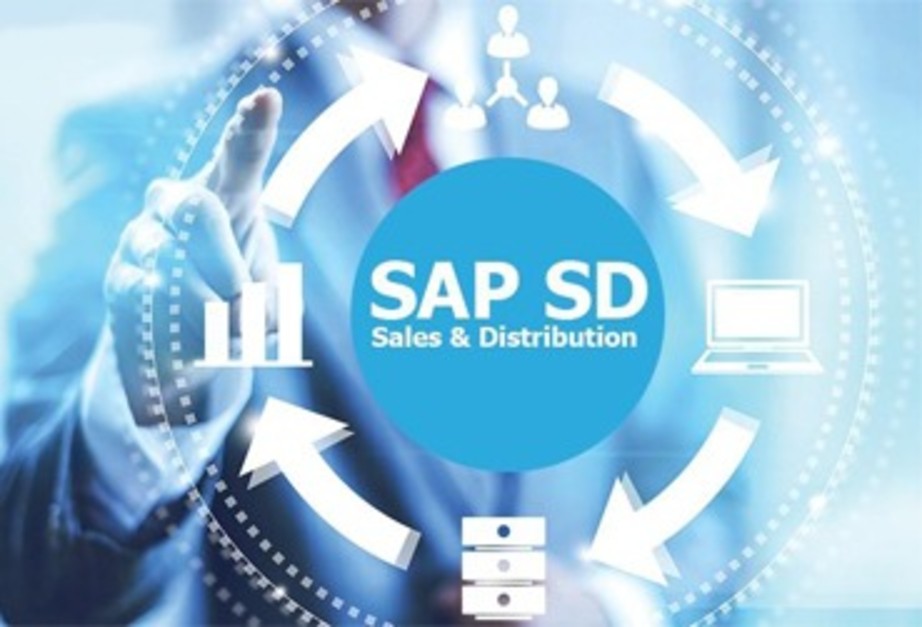
What Is SAP SD and Why It Matters SAP SD manages the complete sales and distribution processes within an organization. It handles everything from customer inquiry to order processing, shipping, billing, and payment tracking. In today’s competitive business environment, managing sales operations efficiently is essential for revenue growth. SAP SD helps organizations streamline customer transactions, maintain accurate pricing, and ensure timely delivery of products and services. Core Components of SAP SD Sales Order Management Pricing & Taxation Shipping & Delivery Billing & Invoicing Credit Management Integration with Other Modules SAP SD integrates with: SAP MM (for inventory updates) SAP FICO (for billing and accounting entries) SAP PP (for production planning based on demand) Business Benefits Improved order-to-cash cycle Real-time sales tracking Accurate billing and reduced errors Better customer satisfaction Efficient revenue management Conclusion SAP SD plays a vital role in managing sales operations and ensuring smooth product distribution. It improves coordination between departments and enhances overall business performance. FAQs Q1. What is SAP SD?It manages sales, order processing, shipping, and billing activities. Q2. Does SAP SD integrate with finance?Yes, it integrates with SAP FICO for automatic accounting entries.
SAP CRM Modules: Core Components and Integration Explained

What Is SAP CRM and Why It Matters SAP CRM manages customer relationships, marketing campaigns, and service operations. Building strong customer relationships is essential for business growth. SAP CRM helps organizations manage leads, sales opportunities, and customer service efficiently. Core Components of SAP CRM Sales Management Marketing Campaign Management Service Management Lead & Opportunity Tracking Customer Analytics Integration with Other Modules SAP CRM integrates with: SAP SD (for order processing) SAP FICO (for billing and revenue tracking) SAP SCM (for product availability information) Business Benefits Improved customer engagement Better sales forecasting Enhanced service efficiency Increased revenue opportunities Centralized customer data Conclusion SAP CRM strengthens customer relationships and supports business growth through structured sales and service management. FAQs Q1. What is SAP CRM?It manages customer sales, marketing, and service activities. Q2. Does SAP CRM integrate with SAP SD?Yes, it integrates with SAP SD for order processing.
SAP HCM Modules: Core Components and Integration Explained
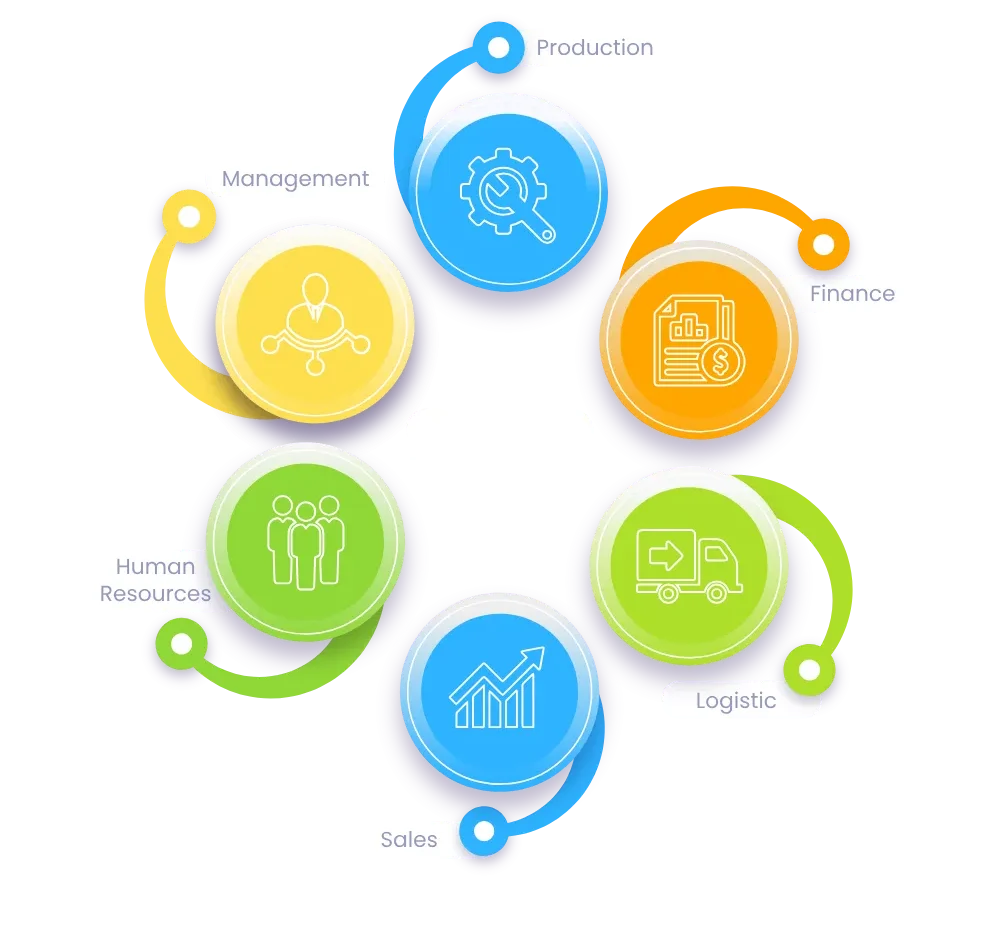
What Is SAP HCM and Why It Matters SAP HCM manages employee administration, payroll, recruitment, and time management processes within an organization. Effective human resource management improves employee productivity and ensures accurate compensation processing. Core Components of SAP HCM Personnel Administration Organizational Management Payroll Processing Time Management Recruitment Integration with Other Modules SAP HCM integrates with: SAP FICO (for payroll accounting entries) SAP SF (for advanced talent management) SAP PM (for workforce assignment in maintenance projects) Business Benefits Accurate payroll processing Efficient HR data management Compliance with labor regulations Improved workforce planning Reduced administrative workload Conclusion SAP HCM enables organizations to manage employees effectively while ensuring compliance and operational efficiency. FAQs Q1. What is SAP HCM?It manages employee data, payroll, and HR processes. Q2. Does SAP HCM integrate with finance?Yes, it integrates with SAP FICO for salary postings.