
SAP CRM Modules: Core Components and Integration Explained

What Is SAP CRM and Why It Matters SAP CRM manages customer relationships, marketing campaigns, and service operations. Building strong customer relationships is essential for business growth. SAP CRM helps organizations manage leads, sales opportunities, and customer service efficiently. Core Components of SAP CRM Sales Management Marketing Campaign Management Service Management Lead & Opportunity Tracking Customer Analytics Integration with Other Modules SAP CRM integrates with: SAP SD (for order processing) SAP FICO (for billing and revenue tracking) SAP SCM (for product availability information) Business Benefits Improved customer engagement Better sales forecasting Enhanced service efficiency Increased revenue opportunities Centralized customer data Conclusion SAP CRM strengthens customer relationships and supports business growth through structured sales and service management. FAQs Q1. What is SAP CRM?It manages customer sales, marketing, and service activities. Q2. Does SAP CRM integrate with SAP SD?Yes, it integrates with SAP SD for order processing.
SAP HCM Modules: Core Components and Integration Explained
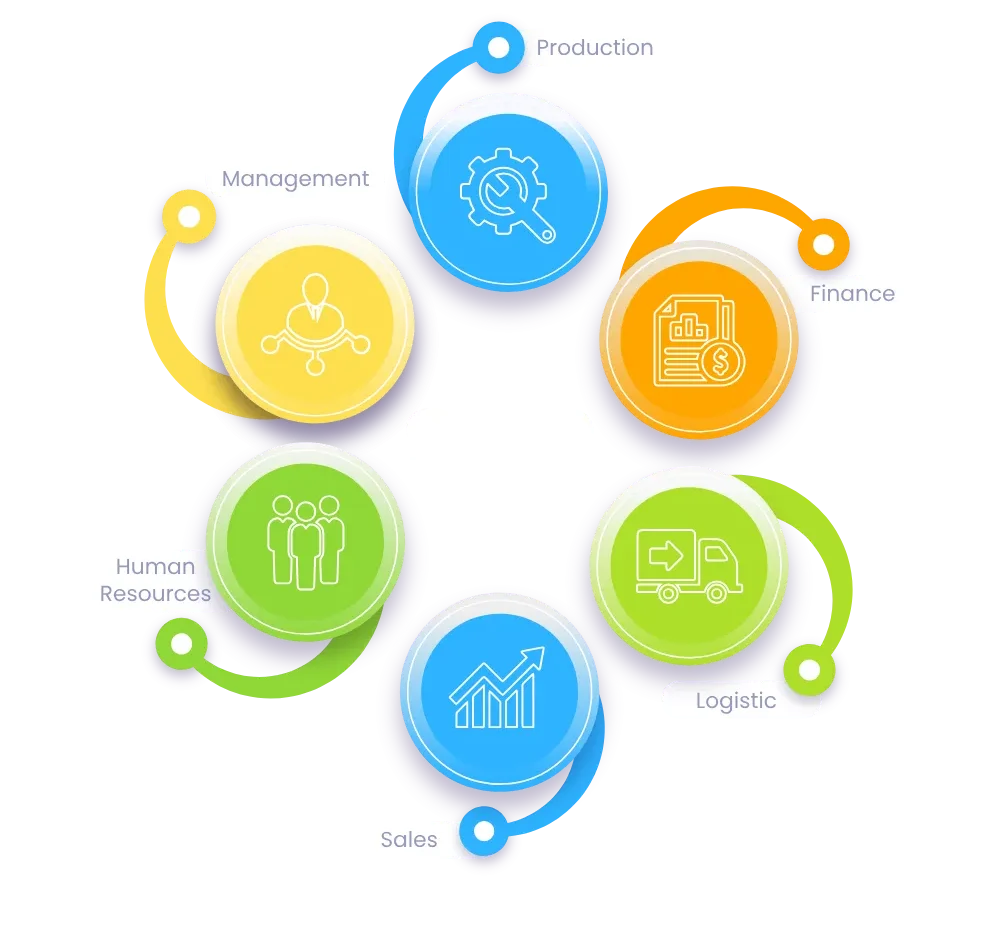
What Is SAP HCM and Why It Matters SAP HCM manages employee administration, payroll, recruitment, and time management processes within an organization. Effective human resource management improves employee productivity and ensures accurate compensation processing. Core Components of SAP HCM Personnel Administration Organizational Management Payroll Processing Time Management Recruitment Integration with Other Modules SAP HCM integrates with: SAP FICO (for payroll accounting entries) SAP SF (for advanced talent management) SAP PM (for workforce assignment in maintenance projects) Business Benefits Accurate payroll processing Efficient HR data management Compliance with labor regulations Improved workforce planning Reduced administrative workload Conclusion SAP HCM enables organizations to manage employees effectively while ensuring compliance and operational efficiency. FAQs Q1. What is SAP HCM?It manages employee data, payroll, and HR processes. Q2. Does SAP HCM integrate with finance?Yes, it integrates with SAP FICO for salary postings.
SAP QM Modules: Core Components and Integration Explained

What Is SAP QM and Why It Matters SAP QM (Quality Management) is a functional module in SAP ERP that ensures products meet defined quality standards throughout procurement, production, and sales processes. In modern industries, maintaining consistent product quality is critical for customer trust and regulatory compliance. SAP QM helps organizations monitor inspections, manage defects, and maintain quality documentation in a structured and automated way. Core Components of SAP QM Quality PlanningDefines inspection methods, quality standards, and control parameters. Quality InspectionConducts inspections during goods receipt, production, and final delivery. Quality ControlMonitors manufacturing quality processes to prevent defects. Defect ManagementRecords, tracks, and analyzes product defects and corrective actions. Quality ReportingGenerates compliance and performance reports. Integration with Other Modules SAP QM integrates with: SAP MM (for incoming material inspection) SAP PP (for in-process quality checks) SAP SD (for handling customer complaints and returns) Quality results automatically update across modules. Business Benefits Improved product consistency Reduced rejection and rework Strong regulatory compliance Enhanced customer satisfaction Standardized quality processes Conclusion SAP QM helps businesses maintain high-quality standards while reducing operational risks and improving product reliability. FAQs Q1. What is SAP QM?It manages quality planning, inspection, and defect tracking processes. Q2. Does SAP QM integrate with procurement?Yes, it integrates with SAP MM for quality inspection of purchased materials.
SAP SCM Modules: Core Components and Integration Explained
What Is SAP SCM and Why It Matters SAP SCM manages supply chain processes including planning, logistics, and distribution. Efficient supply chains reduce costs and improve delivery performance. Core Components of SAP SCM Demand Planning Supply Network Planning Logistics Coordination Inventory Optimization Transportation Planning Integration with Other Modules SAP MM (for material procurement) SAP SD (for delivery planning) SAP PP (for production synchronization) Business Benefits Improved supply chain visibility Reduced operational risks Faster delivery timelines Cost optimization Conclusion SAP SCM helps businesses maintain efficient and responsive supply chain operations. FAQs Q1. What is SAP SCM?It manages end-to-end supply chain activities.
SAP PS Modules: Core Components and Integration Explained
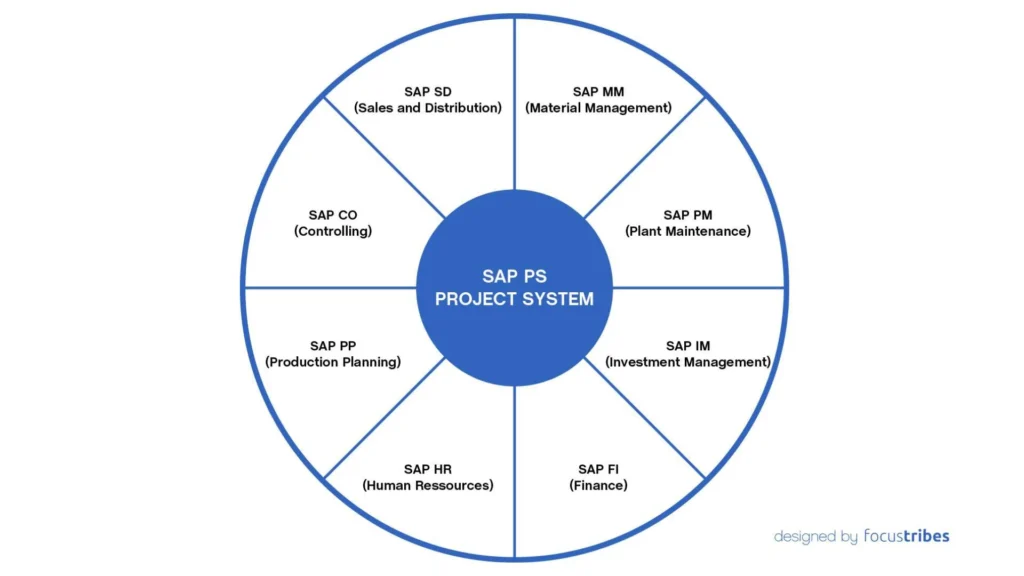
What Is SAP PS and Why It Matters SAP PS manages project planning, execution, and cost tracking. Organizations handling large-scale projects need structured project control systems. SAP PS ensures project deadlines and budgets are maintained. Core Components of SAP PS Project Planning Work Breakdown Structure (WBS) Budget Management Resource Allocation Project Cost Tracking Integration with Other Modules SAP FICO (for project cost accounting) SAP MM (for material procurement) SAP HCM (for workforce allocation) Business Benefits Controlled project costs On-time project delivery Better resource utilization Transparent budgeting Conclusion SAP PS helps organizations manage complex projects efficiently while controlling costs and timelines.
SAP SF Modules: Core Components and Integration Explained
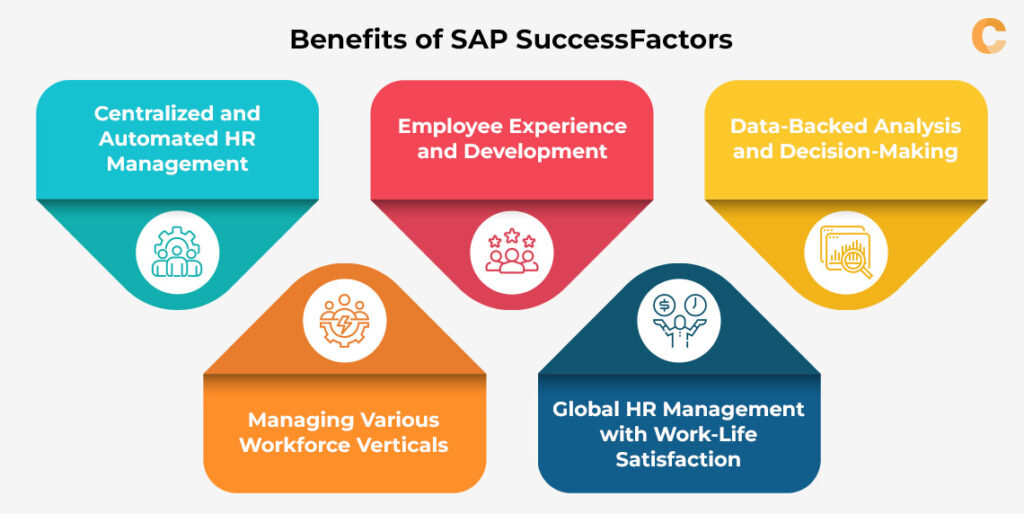
What Is SAP SF and Why It Matters SAP SuccessFactors (SuccessFactors) is a cloud-based Human Capital Management solution that manages the entire employee lifecycle. Modern organizations require digital HR systems to manage recruitment, performance, and employee development efficiently. SAP SF provides a scalable and cloud-based HR platform. Core Components of SAP SF Employee CentralManages employee master data. Recruitment ManagementHandles hiring and onboarding processes. Performance ManagementTracks employee performance and goals. Learning ManagementManages employee training programs. Compensation ManagementHandles salary planning and rewards. Integration with Other Modules SAP SF integrates with: SAP HCM (for payroll data) SAP FICO (for salary cost posting) Other ERP systems for workforce planning Business Benefits Automated HR processes Improved talent management Better employee engagement Real-time workforce insights Cloud-based flexibility Conclusion SAP SF modernizes HR operations and supports strategic workforce management. FAQs Q1. What is SAP SF?It is a cloud-based HR management solution. Q2. Is SAP SF integrated with payroll?Yes, it integrates with payroll and finance systems.
SAP PM Modules: Core Components and Integration Explained
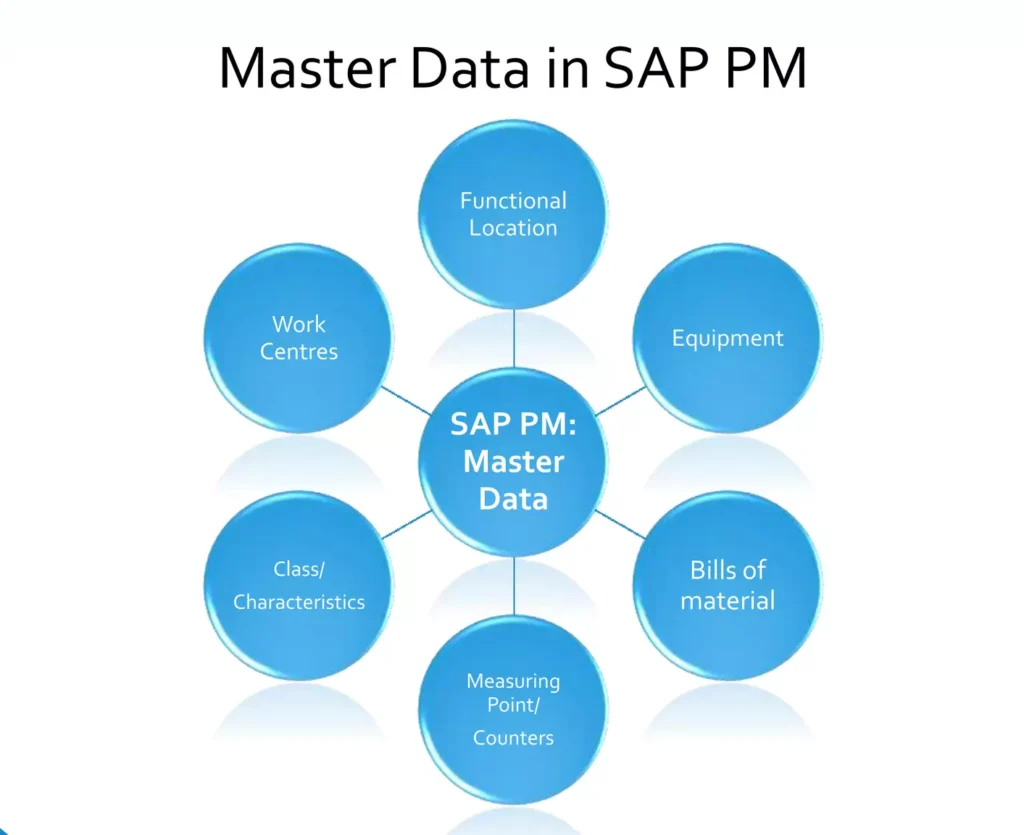
What Is SAP PM and Why It Matters SAP PM (Plant Maintenance) manages equipment and maintenance activities in organizations. Regular maintenance is essential to avoid breakdowns and production losses. SAP PM ensures proper asset management and preventive maintenance scheduling. Core Components of SAP PM Maintenance Planning Work Order Management Equipment Master Data Preventive Maintenance Breakdown Maintenance Integration with Other Modules SAP MM (for spare parts procurement) SAP FICO (for maintenance cost tracking) SAP PP (for production coordination) Business Benefits Reduced machine downtime Extended equipment life Lower maintenance costs Improved asset tracking Conclusion SAP PM improves operational reliability by ensuring effective equipment maintenance. FAQs Q1. What is SAP PM?It manages plant maintenance and equipment activities.
SAP PP Modules: Core Components and Integration Explained
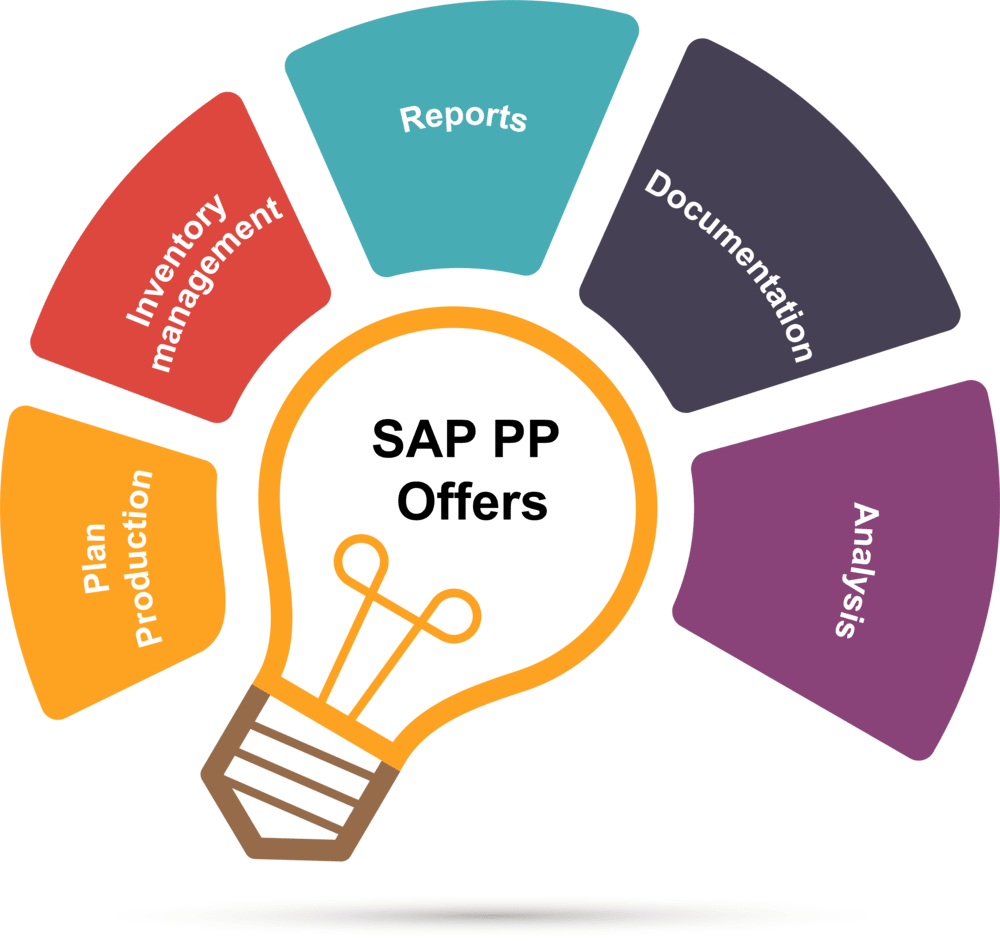
What Is SAP PP and Why It Matters SAP PP (Production Planning) manages manufacturing processes and production scheduling. Efficient production planning ensures that products are manufactured on time while minimizing costs. SAP PP helps organizations optimize production workflows and resource usage. Core Components of SAP PP Material Requirement Planning (MRP)Plans raw material requirements based on demand. Bill of Materials (BOM)Defines product structure and components. Production OrdersControls manufacturing processes. Capacity PlanningEnsures optimal machine and labor utilization. Work Center ManagementManages production resources. Integration with Other Modules SAP PP integrates with: SAP MM (for raw material procurement) SAP SD (for demand information) SAP FICO (for production cost postings) Production planning automatically adjusts based on sales and inventory levels. Business Benefits Efficient production scheduling Reduced manufacturing delays Optimized resource usage Lower production costs Improved delivery timelines Conclusion SAP PP helps organizations streamline manufacturing operations and maintain balanced production planning. FAQs Q1. What is SAP PP?It is a module used for managing production planning and manufacturing processes. Q2. Does SAP PP integrate with procurement?Yes, it integrates with SAP MM for raw material planning.
SAP FICO Modules: Core Components and Integration Explained
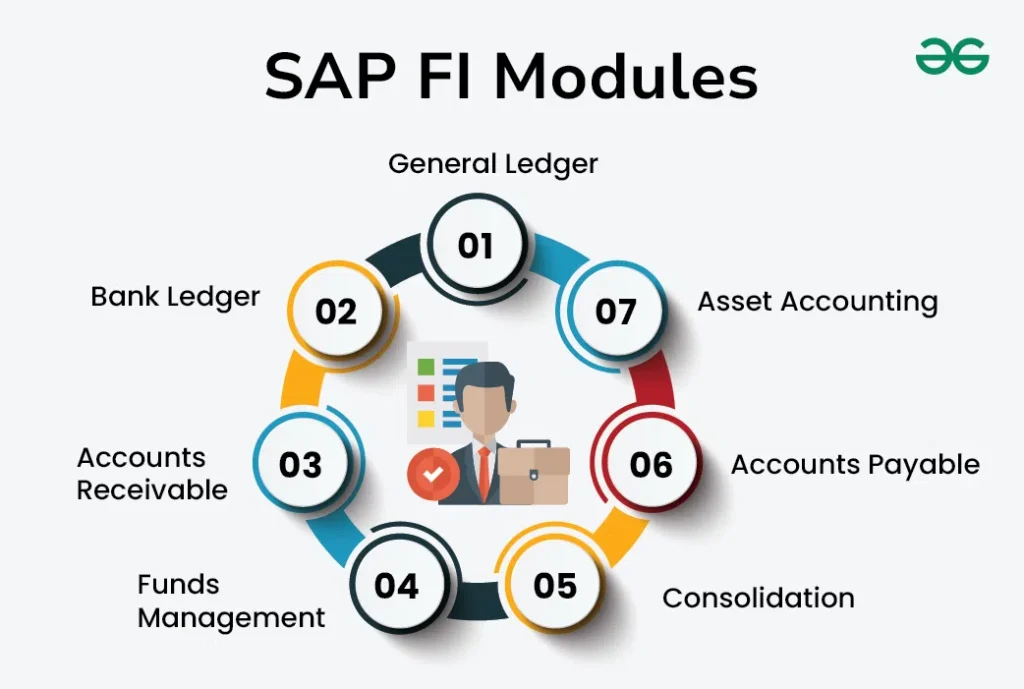
What Is SAP FICO and Why It Matters SAP FICO (Financial Accounting and Controlling) manages financial transactions and cost control within an organization. In today’s competitive business environment, accurate financial reporting and cost management are essential. SAP FICO ensures transparency in financial data and supports strategic decision-making. Core Components of SAP FICO Financial Accounting (FI)Manages general ledger, accounts payable, and accounts receivable. Controlling (CO)Tracks internal costs and profitability analysis. Asset AccountingManages fixed assets and depreciation. Cost Center AccountingMonitors departmental expenses. Profitability AnalysisAnalyzes revenue and cost performance. Integration with Other Modules SAP FICO integrates with: SAP SD (for billing entries) SAP MM (for vendor payments) SAP PP (for production cost tracking) Financial postings happen automatically whenever transactions occur in other modules. Business Benefits Accurate financial reporting Real-time cost tracking Regulatory compliance Improved budgeting control Better profit analysis Conclusion SAP FICO plays a critical role in financial transparency and cost efficiency. It helps organizations maintain strong financial control and compliance. FAQs Q1. What is SAP FICO?It manages financial accounting and internal cost control. Q2. Does SAP FICO work with other modules?Yes, it integrates with all major SAP modules for automatic postings.
SAP MM Modules: Core Components and Integration Explained
What Is SAP MM and Why It Matters SAP MM (Materials Management) is a core functional module in SAP ERP that manages procurement and inventory processes within an organization. In modern businesses, efficient material management is essential to avoid stock shortages and excess inventory. SAP MM helps organizations manage purchasing, vendor selection, goods receipt, and invoice verification in a structured and automated manner. Core Components of SAP MM Procurement ManagementHandles purchase requisitions, purchase orders, and vendor selection. Vendor ManagementMaintains supplier data and performance tracking. Inventory ManagementTracks stock levels, goods receipt, and goods issue. Invoice VerificationEnsures proper matching of purchase orders, goods receipt, and invoices. Material Master DataStores complete information about materials used in the organization. Integration with Other Modules SAP MM integrates with: SAP SD (for stock updates after sales) SAP FICO (for invoice and payment entries) SAP PP (for raw material planning) When goods are received, inventory updates automatically and financial entries are posted in real time. Business Benefits Improved procurement efficiency Reduced material costs Accurate inventory tracking Better supplier management Minimized stock shortages Conclusion SAP MM enables organizations to control procurement and inventory effectively. It ensures smooth supply of materials and improves operational efficiency across departments. FAQs Q1. What is SAP MM?It is a module that manages procurement and inventory processes. Q2. Does SAP MM integrate with finance?Yes, it integrates with SAP FICO for invoice and payment processing.